The final full moon of the year — a supermoon known as the cold moon — shone brightly across the world this week.
It follows two other supermoons this year: the harvest supermoon on Oct. 7 and the beaver supermoon on Nov. 5.
A supermoon occurs when a full moon coincides with the moon being at its closest point to Earth in its orbit. The moon, as a result, will appear slightly larger and brighter than usual.
According to the Farmers’ Almanac, December’s full moon is known as the cold moon, “reflecting the frigid season.” The almanac website says it’s “also known as the Long Night Moon (Mohican) because it rises during the longest nights of the year, near the winter solstice, and remains above the horizon for an extended period.”
Supermoons appear only three to four times a year, NASA says. And at its closest point to Earth, the moon can appear up to 14% bigger and 30% brighter than a moon that is farthest away from Earth.
The next full supermoon, also known as the wolf moon “because wolves were more likely to be heard howling at this time,” will happen on Jan. 3.
See photos of December’s dazzling supermoon below.
See more of our photo features on Yahoo News.
LATEST POSTS
- 1
 US healthcare spending soars to over $5 trillion in 2024
 - 2Israel says 40 Hezbollah members killed as forces advance in Lebanon
- 3Want to make America healthy again? Stop fueling climate change
- 4'All Her Fault' ending explained: The shocking conclusion to the psychological thriller inspired by true events
- 5Sally Rooney books may be withdrawn from UK sale over Palestine Action ban, court told




- Find the Force of The ability to understand anyone on a deeper level: Improving Mindfulness and Connections
- Find the Insider facts of Compelling Systems administration: Building Associations for Progress
- Tatiana Schlossberg, JFK's granddaughter, dies at 35 after terminal cancer diagnosis
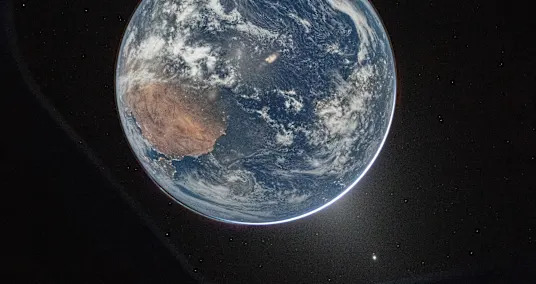
- Artemis II's moon-bound astronauts capture Earth's brilliant blue beauty as they leave it behind
- Ancient Pompeii construction site reveals the process for creating Roman concrete
- How to watch the 2025 Macy's Thanksgiving Day Parade for free
- Vote in favor of your Number one method for commending a birthday
- Turning into a Sharp Financial backer: Individual budget Wins
- A few Exemplary Chinese Dishes, Which Are Famous Around the world