
THE GIST
For a while, Europe’s retailers have been living in that pleasant illusion where geopolitics is someone else’s problem.
Oil spikes, shipping chaos, energy shocks, all very dramatic, but shoppers kept buying. That illusion is starting to crack. Next and H&M are now signaling that if the Middle East conflict lasts, prices go up and consumers eventually push back.
WHAT HAPPENED
United Kingdom retailer Next and Swedish fast-fashion giant H&M both warned that a prolonged Middle East conflict could feed through into higher costs and weaker consumer demand.
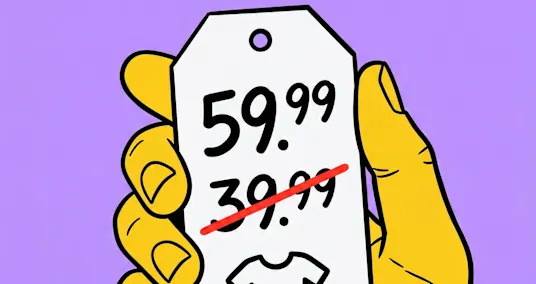
Next said it expects about £15 million (about $20 million) in additional short-term costs, including £8 million from air freight, £4 million from sea freight surcharges and £3 million from higher U.K. energy costs. For now, those costs are being offset elsewhere. But chief executive Simon Wolfson said that if the conflict lasts longer than three months, the company may need to raise prices by around 1.5% to 2%.
H&M struck a similar tone. Chief executive Daniel Erver said the conflict has had only a limited direct impact so far, but warned that prolonged disruption could push up energy and transport costs, creating fresh inflationary pressure on already stretched consumers.
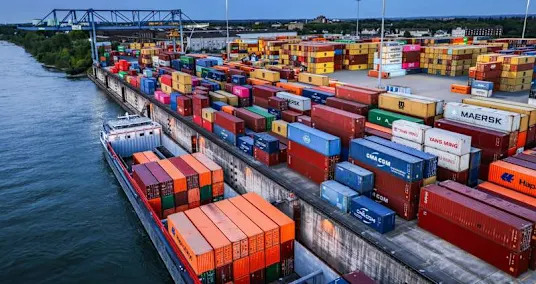
The warnings come as broader cracks appear across the consumer economy. Energy and shipping costs have risen as the Middle East conflict disrupts trade routes and commodity markets. Chemical companies such as BASF and Lanxess have already raised prices, feeding through into everyday goods.
Other retailers are flagging similar risks. Polish fashion group LPP has warned on fuel and logistics costs, while the U.K.’s Co-op said inflation has not yet hit shelf prices but remains a looming threat.
So far, demand has held up. Both Next and H&M say shoppers are still spending. The bigger question is what happens when temporary cost pressures become permanent features of the system.
WHY IT MATTERS
Because this is how inflation returns, gradually, then all at once.
Retailers have just spent years dealing with the aftershocks of the Ukraine war, when higher energy costs rippled through supply chains and squeezed both margins and consumers. No one wants a repeat. But they may not get a choice.
Our analysts just identified a stock with the potential to be the next Nvidia. Tell us how you invest and we'll show you why it's our #1 pick. Tap here.
The transmission mechanism is already in motion. Freight costs rise. Energy prices follow. Suppliers adjust. Retailers absorb what they can. Eventually, prices move.
LATEST POSTS
- 1
 Israeli strikes in Gaza kill 25 people, Hamas health authority says
 - 2Washington resident is infected with a different type of bird flu
- 3IVE 2026 'Show What I Am' Tour: How to get tickets, prices, dates and more
- 4Surging measles cases are 'fire alarm' warning that other diseases could be next
- 574 suicide warnings and 243 mentions of hanging: What ChatGPT said to a suicidal teen





- I binged all 24 Hallmark Christmas movies in less than 30 days. I emerged a changed man.
- Earth's newfound 'episodic-squishy lid' may guide our search for habitable worlds
- NASA's Artemis 2 astronauts are cruising to the moon. So why are they doing CPR tests today?
- 4 buzzy new TV shows to watch — plus the return of 'The Comeback,' 'Jury Duty' and more
- Surveys of Thrillers That Re-imagined the Class
- UNICEF: More than 100 children killed in Gaza since ceasefire
- Huge solar flare no threat to Artemis 2 astronaut launch to the moon, NASA says
- OECD: Iran war dampening global growth
- Astonishing Deserts All over The Planet You Really want To Visit